

Warehouses & Logistics
Wireless that holds up across high-bay racking, plus the scanning, dock and yard connectivity a distribution operation depends on.
Coverage that survives a full racking aisle
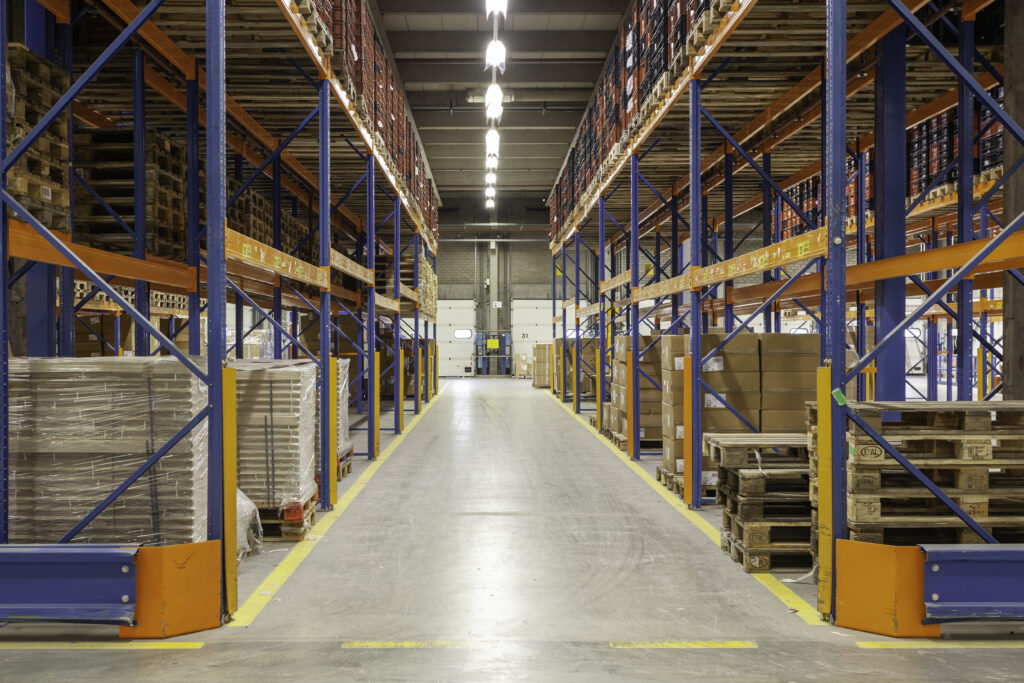
A warehouse is one of the hardest wireless environments there is, and it changes. Racking that was half empty during the survey is full by peak, metal absorbs and reflects signal, and a forklift traveling an aisle at speed needs to roam between access points without dropping a scan mid-transaction.
Coverage has to be designed for the loaded state, not the empty building. That usually means more access points at lower power, mounted where forklift masts will not strike them, and validated by walking the aisles with the racking as full as it gets.
What we install
- High-bay wireless designed for loaded racking and roaming
- Scanner, voice-picking and mobile-computer connectivity
- Dock door, staging and receiving-area coverage
- Yard, gatehouse and outbuilding links where cable is impractical
Coverage evidence
Warehouse coverage disputes are settled by measurements taken in the loaded building.
Designing for a working building
The operation keeps running, so work fits between shifts and around traffic.
Model
Design for loaded racking rather than the empty floor plan.
Mount
Install above strike height with protection where traffic is heavy.
Walk
Validate by walking every aisle with the devices actually used.
Tune
Adjust power and channels against measured results, not defaults.
Operations we support
The wireless problem scales with building height, racking density and vehicle traffic.
- Distribution centers with high-bay racking and narrow aisles
- Third-party logistics sites reconfigured between contracts
- Cold storage and chill areas needing enclosed equipment
- Cross-dock operations with heavy dock-door traffic
Scanners dropping in the aisles?
Tell us the racking layout, building height and devices in use. We will scope a survey timed to when the building is closest to full.
Start the conversation